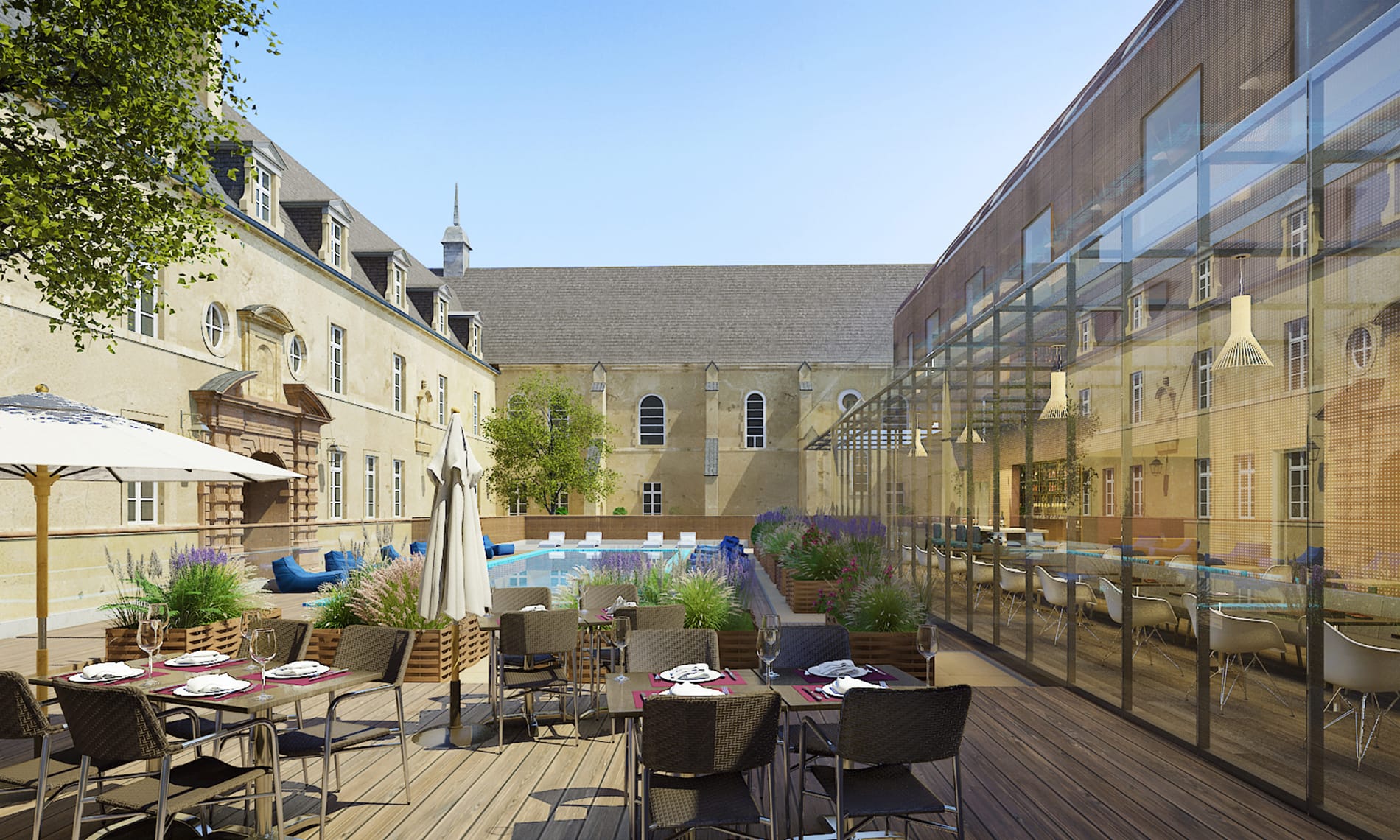
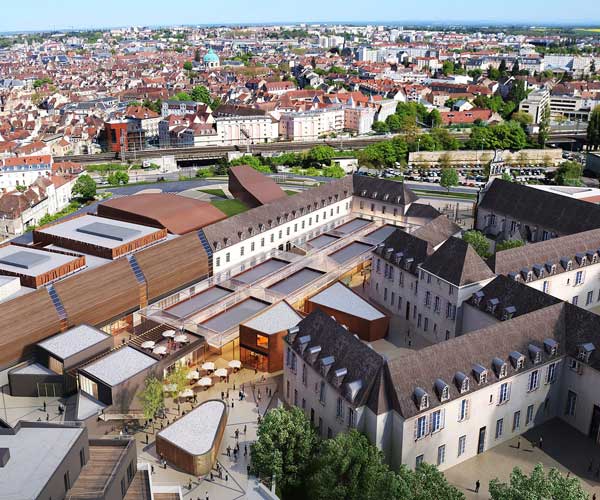
The Cité Internationale de la Gastronomie et du Vin project is a complex redevelopment of a Hôtel Dieu building.
Key dates:
- 2010: The "gastronomic meal of the French" was included in UNESCO's intangible heritage list
- 2013: Dijon was selected by the French government to join the network of Cities of Gastronomy, along with Lyon, Paris-Rungis and Tours.
- 2014: Eiffage was chosen by the city authority to design, build and finance the Cité Internationale de la Gastronomie et du Vin.
- 2016: Eiffage Aménagement, Eiffage Immobilier and their partners launch the project
- 2020 to 2023: complete handover
-
6.5 hectares
Site surface area
-
76,000 m²
Ground area
-
15,000 m²
Surface area of buildings refurbished
-
4,500 m²
of shops
L’ élément suivant est une vidéo Watch a video of the project
Tradition and modernity
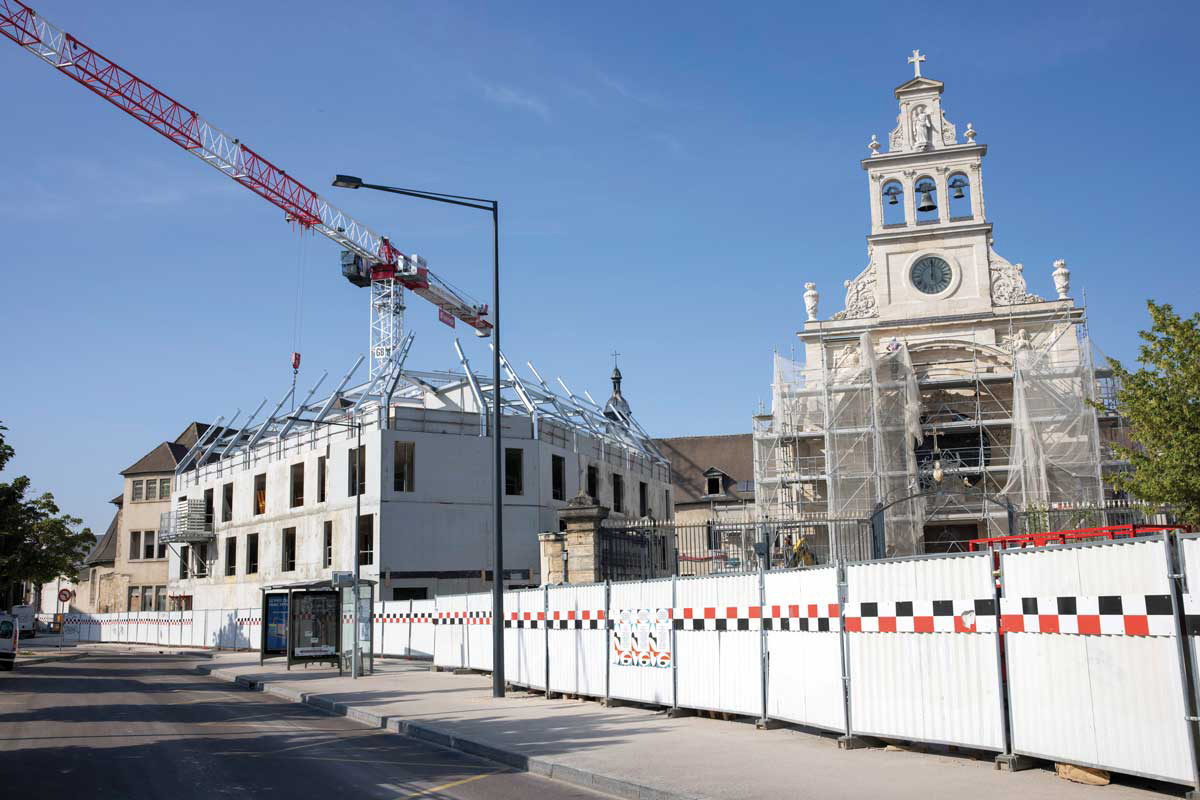
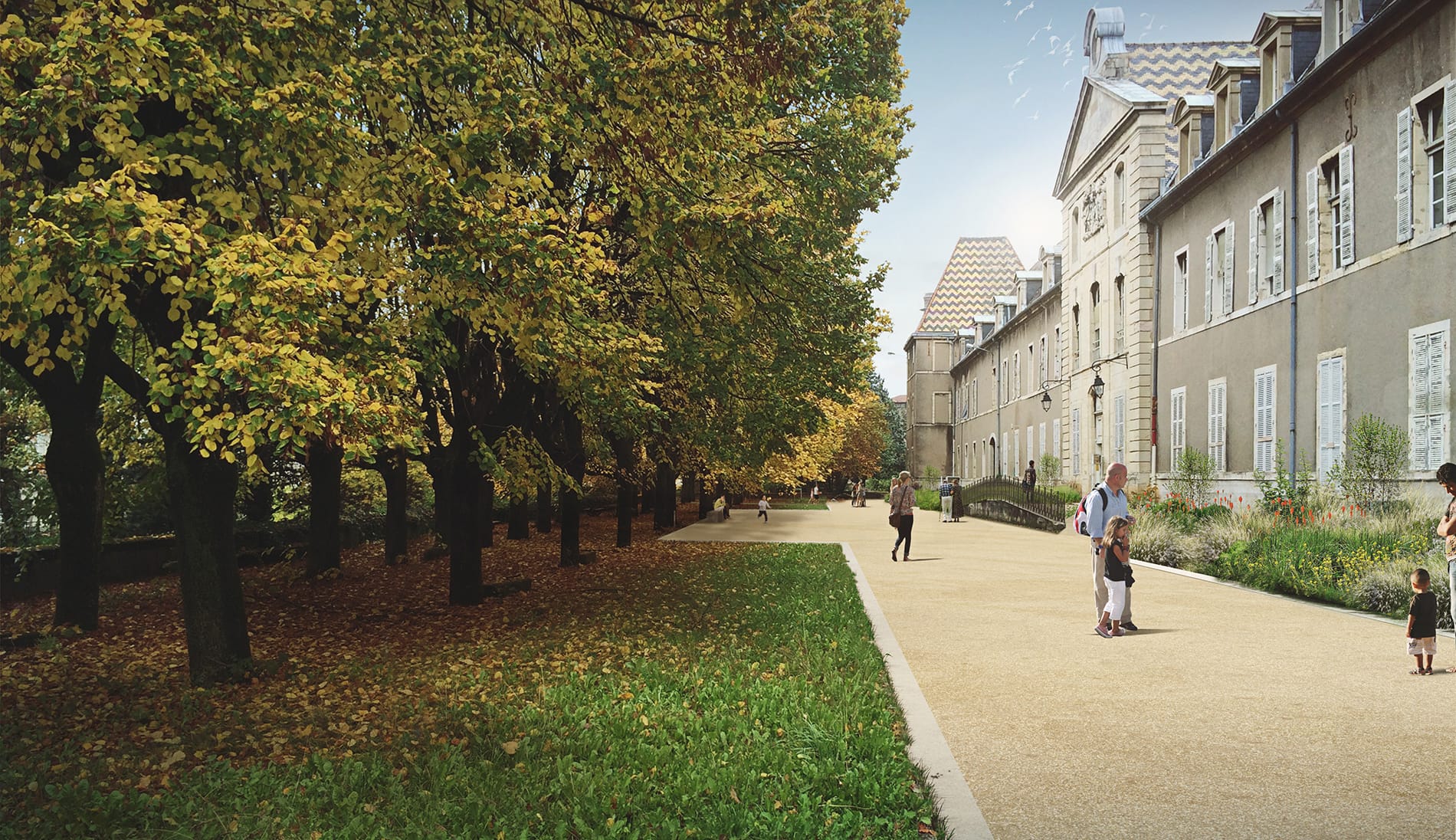
Located at the starting point of the Burgundy Grands Crus route, the Cité Internationale de la Gastronomie et du Vin in Dijon covers an area of 3 hectares (26,000 m² of premises, including 17,000 m² of renovated historical buildings), together with 3.5 hectares of eco-district.
The project comprises a number of facilities:
- a 5,000 m² culture and training centre,
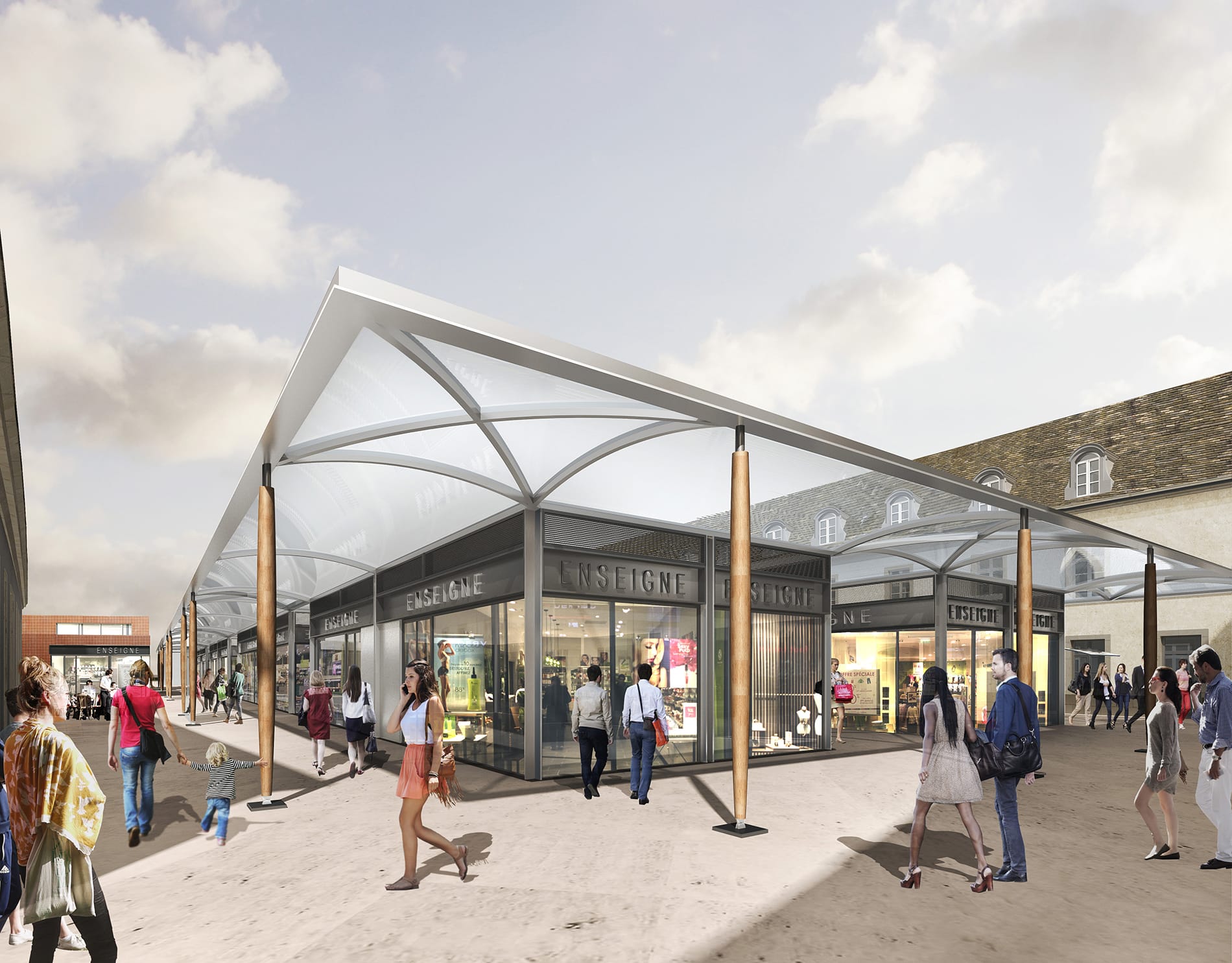
- 4,500 m² of shops, cafés and restaurants,
- a 4-star hotel with 83 rooms,
- a 13-screen cinema complex,
- 50 refurbished dwellings,
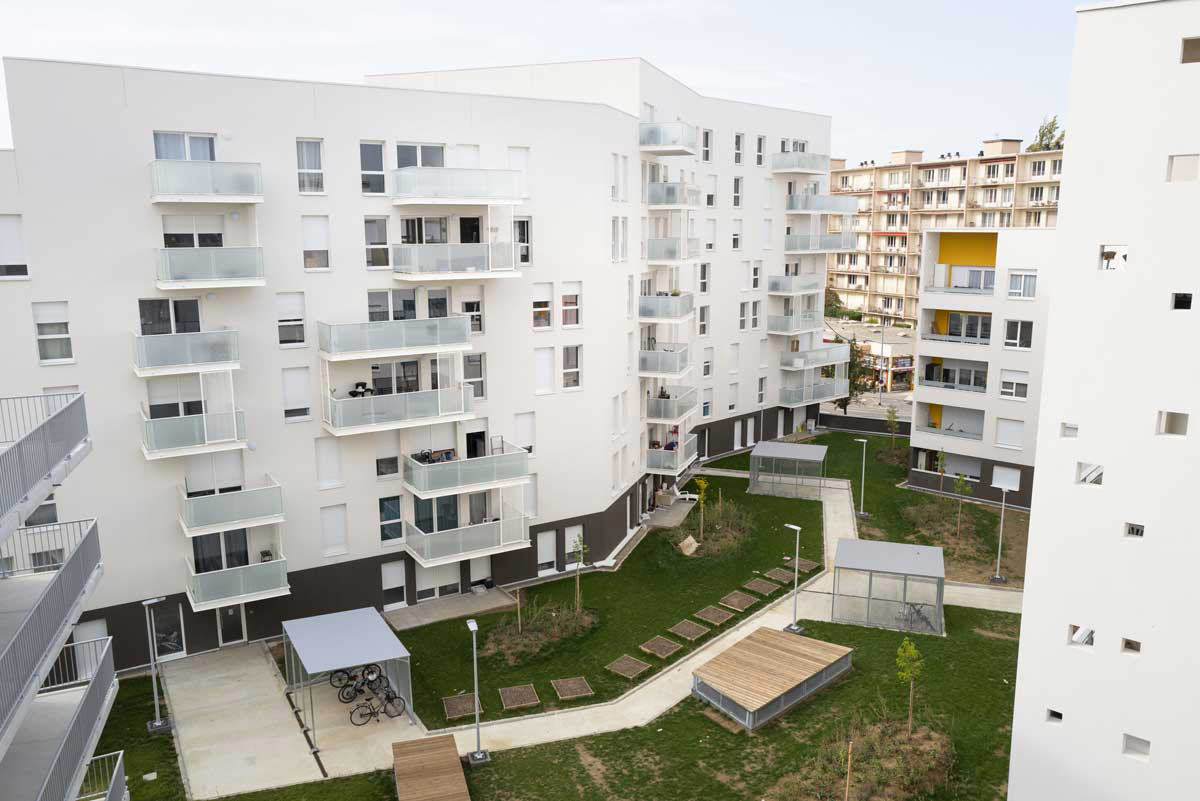
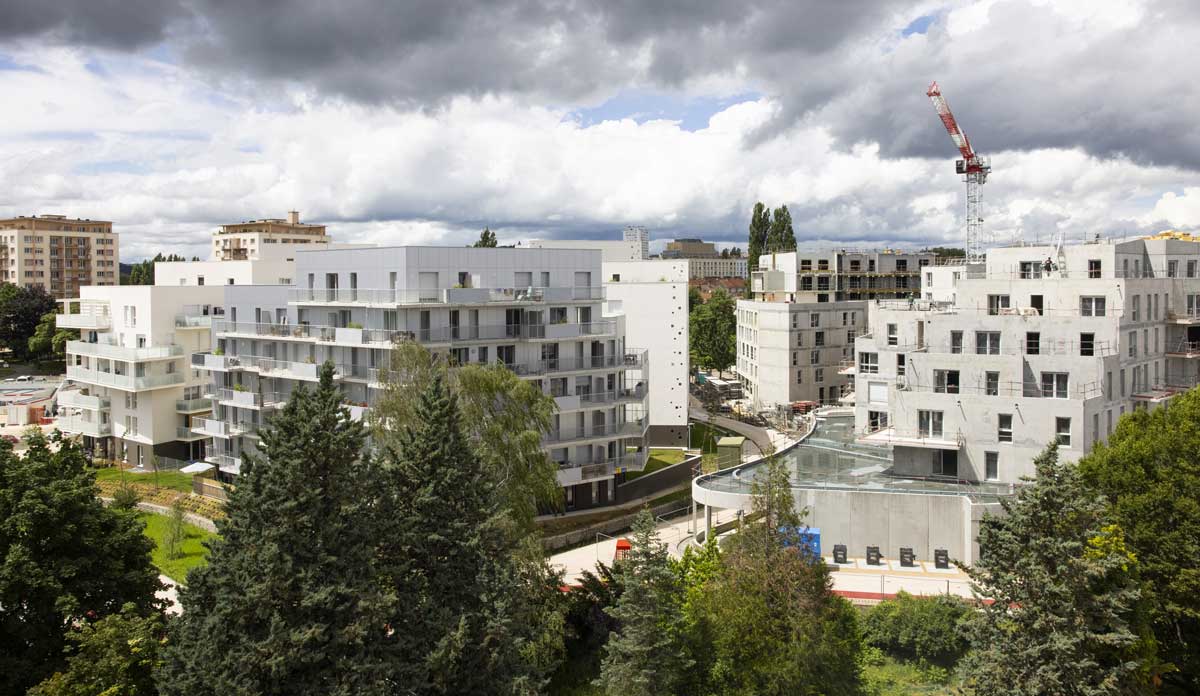
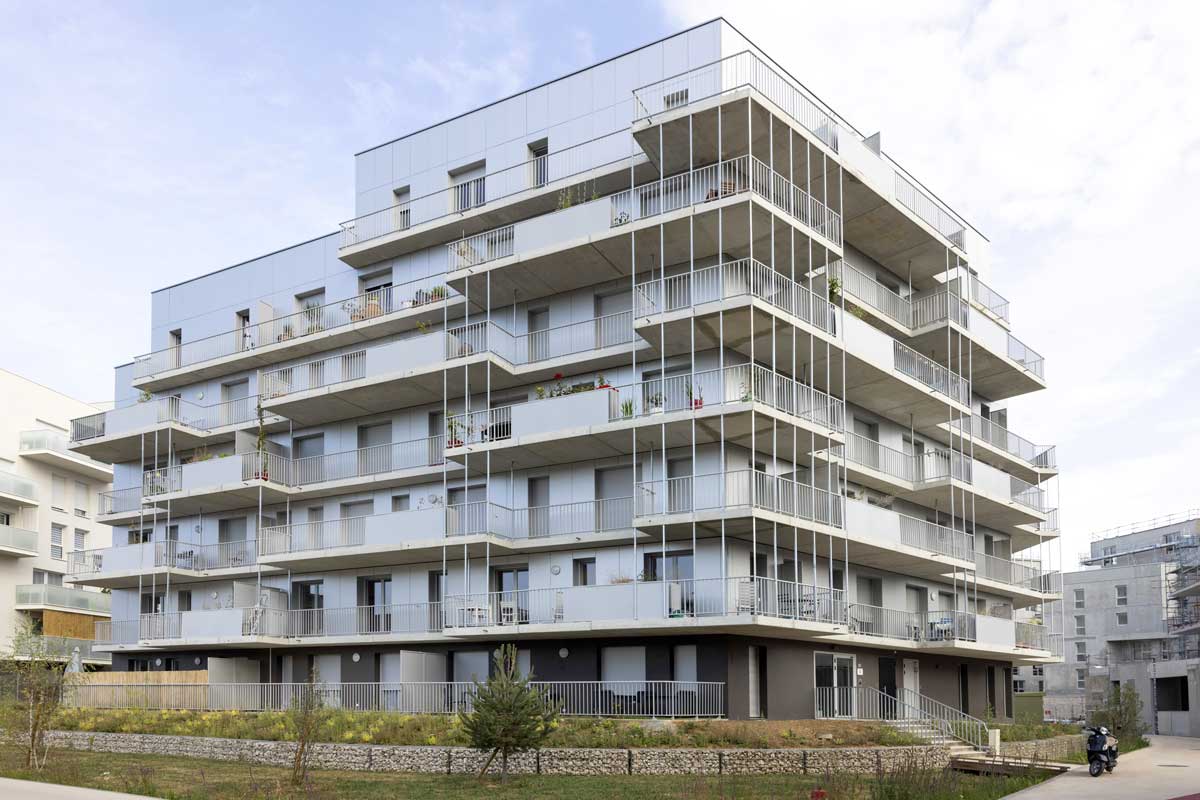
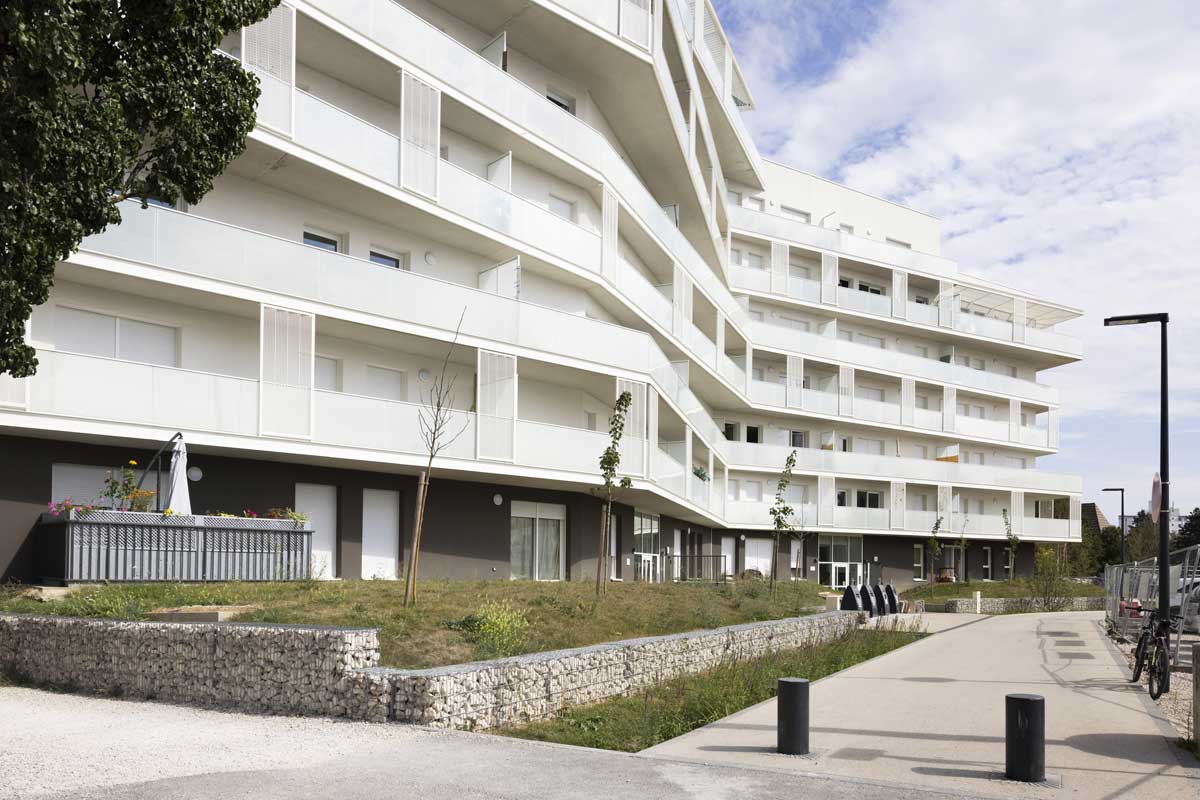
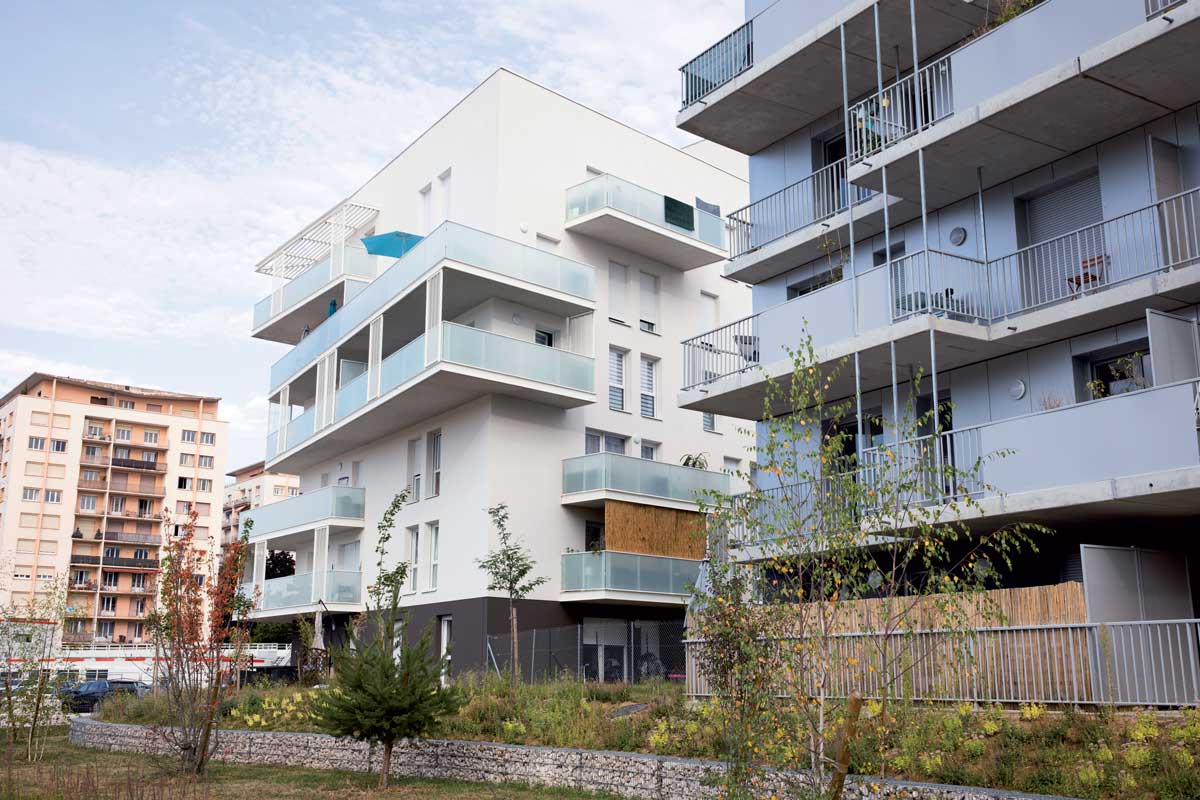
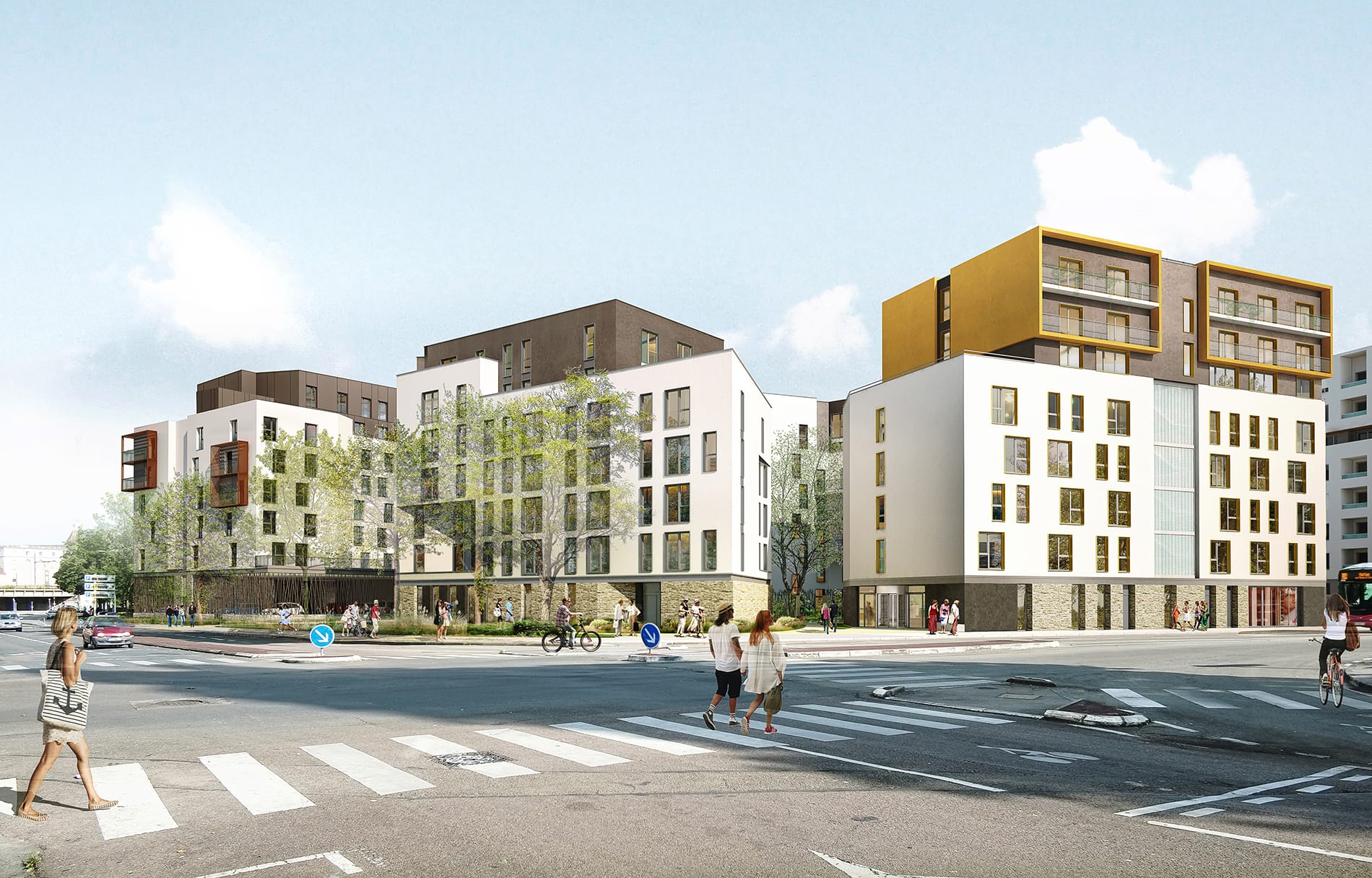
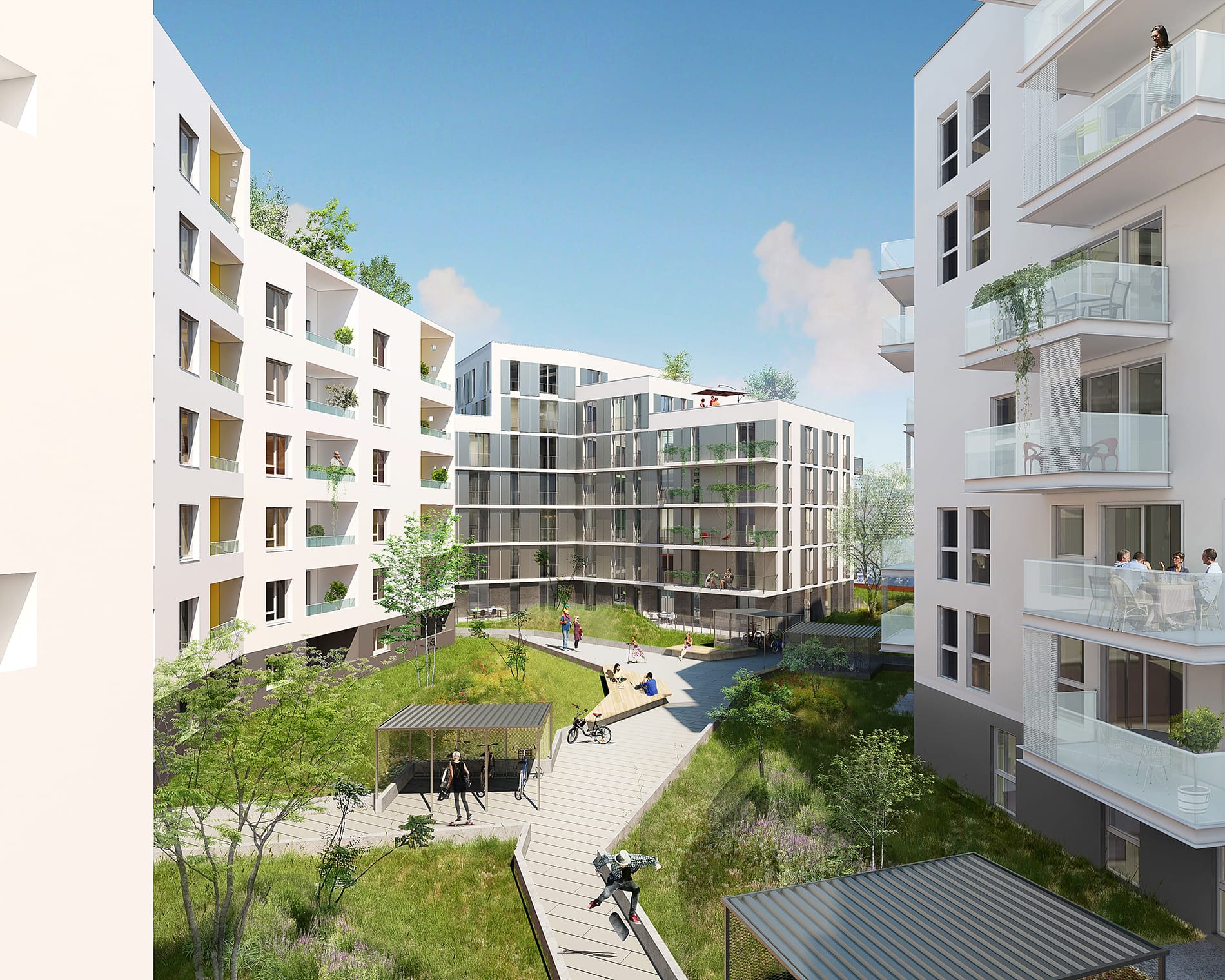
- an eco-district of 540 dwellings
- Three serviced residences
- Car park - 400 spaces
The entire programme meets the need to combine tradition and modernity, in the image of French gastronomy.
Discovery and learning
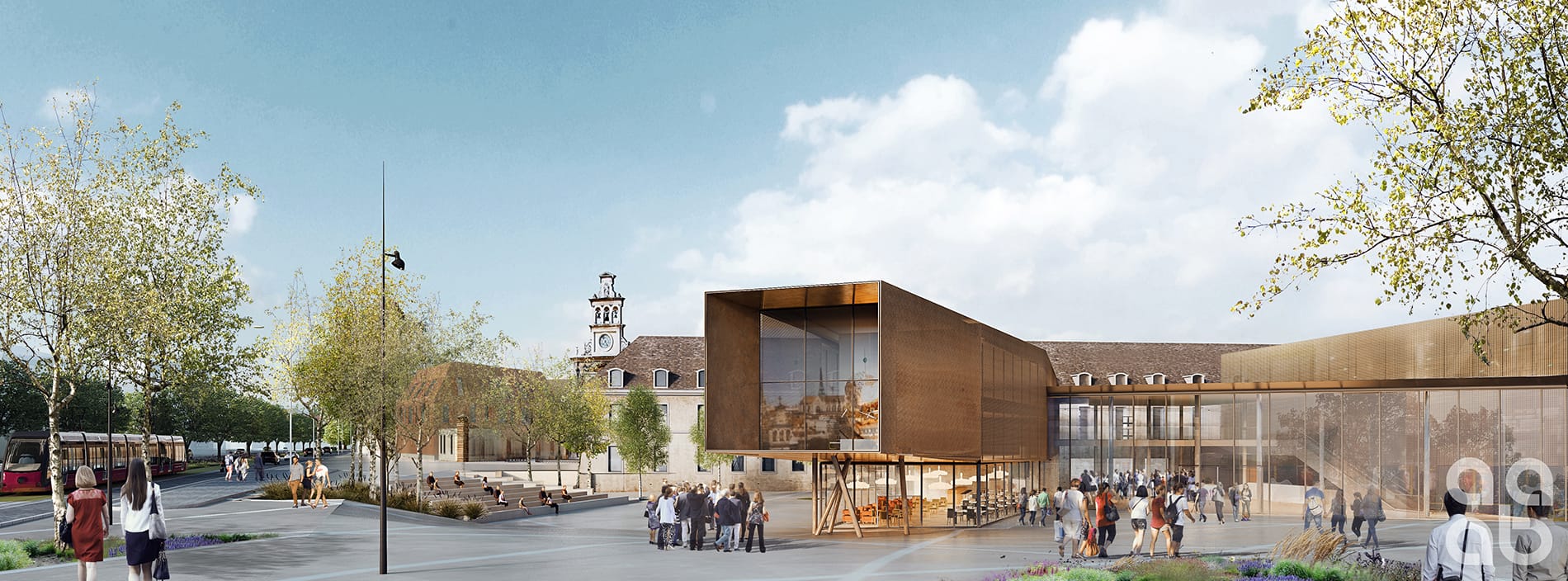
Exhibitions, conferences, etc. 1,700 m² are devoted to the gastronomic meal of the French and the Climats des vignobles de Bourgogne. S-Pass and Abaque were responsible for designing and managing these areas, located in the gastronomy pavilion and the chapel.
For international training in French cuisine and pastry making, 750 m² of teaching space is available to accommodate 110 students from the Ferrandi school. A 70 m² area for introductions to wine tasting is open to locals and tourists alike.
The new building housing part of these premises was designed by architects Anthony Béchu, in association with A.-C. Perrot & F. Richard.